17 May 2026 | By Vedant Shastri | 10 min read Mahamas 2026: Date, Significance, Worship Method, Spiritual Importance and Scientific Perspective
Introduction
In the Hindu calendar, time is not merely a mechanical measurement of days, months, and years. It is deeply connected with cosmic movements, spiritual discipline, seasonal changes, religious observances, and human life. Among the many sacred periods described in Hindu tradition, Mahamas, also known as Adhik Maas, Purushottam Maas, or Mal Maas, holds a very special place.
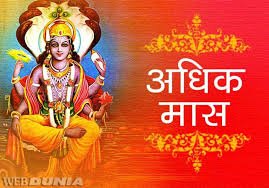
The word Adhik means “extra” or “additional,” and Maas means “month.” Therefore, Adhik Maas means an extra lunar month that is added to the Hindu calendar after a certain interval. This month is considered highly sacred for worship, charity, fasting, spiritual study, mantra chanting, and devotion to Lord Vishnu.
In 2026, Mahamas or Adhik Maas is beginning on 17 May 2026 and will continue until 15 June 2026. This period is traditionally regarded as a time of deep spiritual purification. Although many auspicious worldly ceremonies like marriage, housewarming, and major new ventures are usually avoided during this month, it is considered extremely powerful for inner growth, repentance, prayer, devotion, charity, and self-discipline.
Mahamas is not just a religious concept; it also reflects the deep astronomical wisdom of ancient Indian timekeeping. The Hindu calendar is primarily based on the movement of the Moon, while seasons are connected with the movement of the Sun. To harmonize the lunar calendar with the solar year, an additional month is inserted approximately every 32 months. This adjustment keeps festivals, rituals, and seasonal observances aligned with nature.
Thus, Mahamas is a beautiful combination of astronomy, spirituality, discipline, devotion, and cultural wisdom.
---
What Is Mahamas or Adhik Maas?
Mahamas is an additional lunar month inserted into the Hindu calendar to balance the difference between the lunar year and the solar year.
A lunar month is based on the cycle of the Moon. One lunar month is approximately 29.5 days long. Twelve lunar months make about 354 days. However, the solar year, which is based on the Earth’s revolution around the Sun, is about 365 days long. This creates a difference of around 11 days every year.
If this difference is not corrected, Hindu festivals would slowly shift away from their proper seasons. For example, festivals connected with harvest, monsoon, spring, or winter would no longer occur in the correct seasonal context. To prevent this, an extra month is added after about 32 months, 16 days, and a few hours. This extra month is called Adhik Maas.
In religious language, this month is called Purushottam Maas because it is dedicated to Lord Vishnu, who is also known as Purushottam, meaning “the Supreme Being.” According to tradition, Lord Vishnu gave this extra month divine importance and declared that those who perform devotion, charity, fasting, and righteous actions during this month receive special blessings.
---
Mahamas 2026 Date
In 2026, Mahamas or Adhik Maas will begin on:
Start Date: 17 May 2026, Sunday
End Date: 15 June 2026, Monday
Type: Adhik Jyeshtha Maas
Other Names: Purushottam Maas, Mal Maas, Adhik Maas, Mahamas
This means that the month of Jyeshtha will occur in an extended form in the Hindu lunar calendar. During this period, special worship of Lord Vishnu, Shri Krishna, Lord Rama, Lakshmi-Narayan, and other divine forms is considered highly auspicious.
---
Why Is It Called Purushottam Maas?
The name Purushottam Maas is deeply meaningful. In Hindu scriptures, Purushottam is one of the divine names of Lord Vishnu and Lord Krishna. The word Purushottam means “the highest among all beings” or “the Supreme Divine Person.”
According to a traditional story, when this extra month was created, it had no ruling deity. Because it did not belong to any regular month, it was considered unwanted and was called Mal Maas, meaning an impure or leftover month. No deity accepted it initially, and people avoided performing auspicious ceremonies during it.
The neglected month then approached Lord Vishnu and expressed its sorrow. Lord Vishnu, filled with compassion, gave this month His own name, Purushottam. He declared that this month would become one of the most sacred periods for spiritual practice. From that time onward, Adhik Maas became known as Purushottam Maas.
This story carries a deep spiritual message. It teaches that nothing in creation is useless. What appears neglected or ordinary can become divine when connected with devotion, humility, and surrender to God.
---
Religious Importance of Mahamas
Mahamas is considered a month of spiritual correction. It gives devotees an opportunity to pause worldly distractions and focus on divine life. The religious importance of this month can be understood through the following points:
1. Month of Lord Vishnu
Mahamas is especially dedicated to Lord Vishnu. Devotees worship Lord Vishnu in His various forms such as Narayan, Krishna, Rama, Vamana, and Lakshmi-Narayan. Vishnu represents preservation, balance, righteousness, and cosmic order. Worshipping Him during this month is believed to bring peace, stability, protection, and spiritual progress.
2. Month of Devotion and Surrender
This month encourages surrender to God. Instead of focusing only on material achievements, people are advised to turn inward. Prayer, meditation, chanting, and scripture reading are considered especially beneficial.
3. Month of Charity
Charity performed during Mahamas is believed to give multiplied spiritual merit. Donating food, clothes, water, books, religious items, grains, fruits, and money to the needy is considered highly auspicious.
4. Month of Repentance and Purification
Mahamas is also a time for self-correction. One may reflect on past mistakes, control anger, reduce greed, practice forgiveness, and adopt a more disciplined lifestyle.
5. Month of Scriptural Study
Reading sacred texts such as the Bhagavad Gita, Vishnu Sahasranama, Bhagavata Purana, Ramcharitmanas, and other devotional scriptures is considered very fruitful.
---
Spiritual Meaning of Mahamas
The deeper spiritual meaning of Mahamas lies in the idea of balance. Just as the calendar needs correction to remain aligned with the Sun and seasons, human life also needs correction to remain aligned with truth, morality, and divine purpose.
Over time, human beings accumulate stress, desires, anger, jealousy, confusion, and ego. Mahamas provides a sacred opportunity to reset life. It is like a spiritual adjustment period.
This month teaches:
Slow down and reflect.
Reduce unnecessary desires.
Practice gratitude.
Serve others.
Strengthen faith.
Purify thoughts.
Align life with dharma.
Give more importance to inner peace than outer show.
In this sense, Mahamas is not only a calendar correction; it is a life correction.
---
Worship Method During Mahamas
The worship method during Mahamas can be simple or elaborate depending on one’s ability, time, and devotion. The most important thing is purity of heart.
Daily Worship Method
A devotee may follow this simple daily routine:
1. Wake up early in the morning, preferably during Brahma Muhurta.
2. Take a bath and wear clean clothes.
3. Clean the worship place.
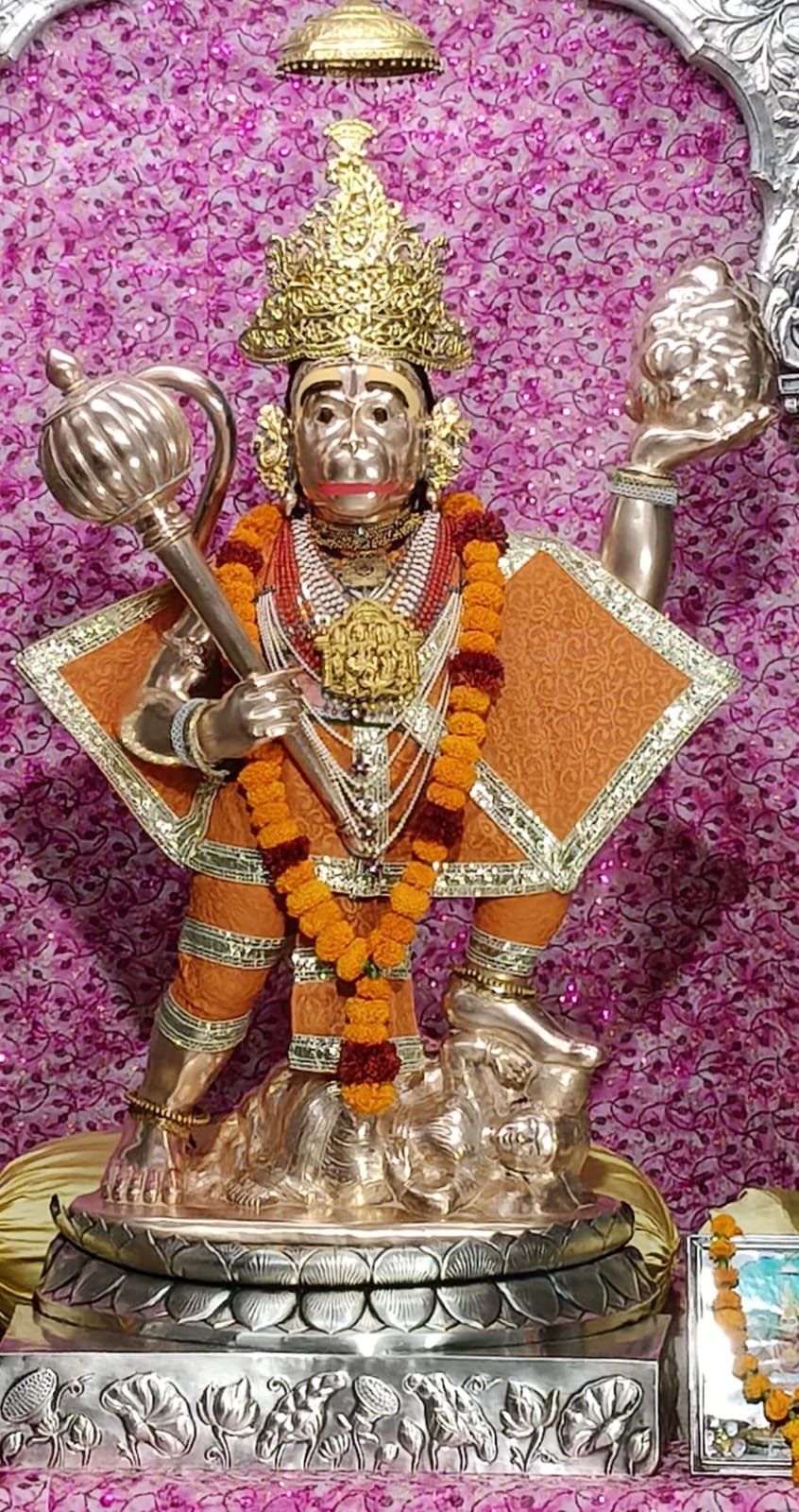
4. Place an image or idol of Lord Vishnu, Lakshmi-Narayan, Lord Krishna, or Lord Rama.
5. Light a ghee lamp.
6. Offer flowers, tulsi leaves, sandalwood paste, fruits, and sweets.
7. Chant Vishnu mantras.
8. Read a chapter from the Bhagavad Gita or Vishnu Sahasranama.
9. Perform aarti.
10. Pray for forgiveness, peace, and spiritual growth.
11. Donate something according to capacity.
---
Important Mantras for Mahamas
During Mahamas, the chanting of Lord Vishnu’s names is considered very powerful.
Vishnu Mantra
Om Namo Bhagavate Vasudevaya
This mantra is simple, powerful, and suitable for all devotees. It is believed to purify the mind and bring divine protection.
Narayan Mantra
Om Namo Narayanaya
This mantra invokes Lord Narayan, the preserver and protector of the universe.
Hare Krishna Maha Mantra
Hare Krishna Hare Krishna
Krishna Krishna Hare Hare
Hare Rama Hare Rama
Rama Rama Hare Hare
This mantra is especially connected with devotion, surrender, and purification of the heart.
Vishnu Gayatri Mantra
Om Narayanaya Vidmahe
Vasudevaya Dhimahi
Tanno Vishnu Prachodayat
This mantra is chanted for wisdom, protection, and divine guidance.
---
Fasting During Mahamas
Fasting is an important practice during Mahamas. However, fasting should be done according to one’s health, age, and physical capacity. The purpose of fasting is not to torture the body but to discipline the senses and purify the mind.
Types of Fasting
People may observe different types of fasts:
1. Complete fast: Avoiding food and taking only water, if physically suitable.
2. Fruit fast: Eating fruits, milk, and light sattvic food.
3. One-time meal: Taking one simple vegetarian meal in a day.
4. Avoiding specific items: Giving up salt, grains, onion, garlic, or certain favorite foods.
5. Mental fasting: Avoiding anger, gossip, lies, jealousy, and negative speech.
The highest form of fasting is not merely avoiding food but controlling negative thoughts and harmful actions.
---
Food Rules During Mahamas
During this month, sattvic food is recommended. Sattvic food means pure, simple, fresh, vegetarian, and spiritually uplifting food.
Recommended Food
Fruits
Milk
Curd
Ghee
Fresh vegetables
Simple grains
Dry fruits
Tulsi water
Light homemade food
Seasonal fruits
Satvik khichdi
Roasted makhana
Coconut water
Foods to Avoid
Non-vegetarian food
Alcohol
Tobacco
Onion and garlic, if following strict sattvic rules
Stale food
Excessively spicy food
Junk food
Overeating
Food prepared with anger or impurity
Food affects the mind. A simple diet helps in meditation, mantra chanting, emotional balance, and spiritual discipline.
---
Charity During Mahamas
Charity is one of the most important practices of Mahamas. It is believed that donation performed during this month brings great spiritual merit.
Things to Donate
Food grains
Clothes
Fruits
Water
Umbrella
Footwear
Religious books
Gita
Tulsi plant
Cow feed
Money to the needy
Medicines
Educational material
Blankets, depending on season
Food for animals and birds
Best Form of Charity
The best charity is one that is done without ego, publicity, or expectation. Charity should be performed with humility and compassion.
Helping the poor, feeding hungry people, supporting students, serving cows, planting trees, and helping elderly people are considered highly virtuous.
---
Do’s During Mahamas
During Mahamas, devotees should try to follow these practices:
1. Worship Lord Vishnu daily.
2. Chant Vishnu mantras.
3. Read Bhagavad Gita.
4. Perform charity.
5. Feed the poor.
6. Offer water to the Sun.
7. Light a lamp in the evening.
8. Practice meditation.
9. Visit temples if possible.
10. Respect parents, elders, teachers, and saints.
11. Speak truth.
12. Avoid anger and harsh words.
13. Maintain cleanliness.
14. Eat sattvic food.
15. Practice forgiveness.
16. Help animals and birds.
17. Plant trees or water plants.
18. Avoid unnecessary luxury.
19. Reduce social media distraction.
20. Spend time in self-reflection.
---
Don’ts During Mahamas
Traditionally, some activities are avoided during Mahamas. These include:
1. Marriage ceremonies.
2. Housewarming ceremonies.
3. Starting major new worldly ventures.
4. Buying luxury items for show.
5. Engagement ceremonies.
6. Mundan or other major samskaras, depending on family tradition.
7. Excessive entertainment.
8. Gambling.
9. Alcohol and intoxication.
10. Non-vegetarian food.
11. Speaking lies.
12. Insulting others.
13. Anger and egoistic behavior.
14. Wasting food.
15. Disrespecting religious practices.
16. Hurting animals.
17. Unnecessary arguments.
18. Showing off charity.
19. Greed and selfishness.
20. Neglecting spiritual discipline.
It is important to understand that these restrictions are not meant to create fear. They are meant to encourage simplicity, devotion, and inner purification.
---
Why Are Auspicious Ceremonies Avoided?
Many people ask why marriages and housewarming ceremonies are avoided during Mahamas if the month is so sacred.
The reason is that Mahamas is mainly dedicated to spiritual growth, not material expansion. Marriage, housewarming, business openings, and similar ceremonies are connected with worldly prosperity and social life. Mahamas encourages withdrawal from outer celebration and focus on inner devotion.
This does not mean the month is bad. In fact, it is spiritually powerful. But its energy is considered more suitable for prayer, penance, charity, and self-discipline rather than worldly celebration.
So, Mahamas is not inauspicious. It is sacred in a different way.
---
Astrological Significance of Mahamas
From the astrological point of view, Mahamas occurs due to the relationship between the solar and lunar calendars. The Hindu Panchang uses both lunar and solar calculations. When a lunar month does not contain a solar Sankranti, that month becomes Adhik Maas.
In simple words, Sankranti means the Sun’s movement from one zodiac sign to another. Normally, each lunar month contains one Sankranti. But when no Sankranti occurs within a lunar month, that month is called Adhik Maas.
Astrologically, this month is considered a time of karmic cleansing. It is suitable for remedies, mantra chanting, worship of Lord Vishnu, ancestor-related prayers, charity, and spiritual discipline.
People who are facing difficulties due to planetary influences may perform simple remedies during this month, such as:
Chanting Vishnu Sahasranama.
Offering water to the Sun.
Donating yellow items.
Feeding cows.
Serving poor people.
Reading Bhagavad Gita.
Worshipping Tulsi.
Practicing truthfulness and self-control.
---
Importance of Lord Vishnu Worship
Lord Vishnu represents balance, preservation, compassion, and cosmic order. During Mahamas, worshipping Lord Vishnu is believed to bring harmony in life.
Benefits of Vishnu Worship
Mental peace
Family harmony
Protection from negativity
Stability in life
Spiritual progress
Reduction of fear
Strengthening of dharma
Removal of confusion
Blessings of prosperity with morality
Inner contentment
Offering tulsi leaves to Lord Vishnu is especially important. Tulsi is considered dear to Lord Vishnu and is also known for its medicinal and purifying qualities.
---